

Asphalt Paving 101: A Property Manager’s Guide to Mastering Your Next Project
Your parking lot is a depreciating asset that demands proactive management to survive. If you treat asphalt reactively: waiting for a massive pothole to swallow a tenant’s car before calling a contractor: you are burning money. A strategic, system-based approach to asphalt paving and maintenance doesn't just make your property look better; it protects your bottom line and extends the life of your pavement by decades.
In this guide, we’re breaking down the essentials of asphalt management. From the initial pour to the critical nature of asphalt patching, here is everything you need to know to master your next project.
The Asphalt Lifecycle: Why Timing is Everything
A professionally installed asphalt surface should last between 10 and 20 years. However, that lifespan is entirely dependent on how you manage it during the "middle years." Pavement doesn't fail overnight; it dies a slow death caused by water, UV rays, and heavy traffic.
- Years 1-3: The "honeymoon" phase. The asphalt is flexible and dark. Focus on initial sealcoating and minor crack sealing.
- Years 3-7: Early wear begins. You’ll see light graying and small cracks. This is the critical window for preventative maintenance.
- Years 7-15: The "repair" phase. This is where asphalt patching becomes your best friend to prevent full-scale failure.
- Years 15+: Major restoration or full resurfacing is usually required.
The golden rule of pavement math: one dollar spent on regular maintenance today saves you five dollars in major replacement costs later.
The Maintenance Toolkit: Essential Services
Mastering your property means knowing which tool to pull from the shed. You don't always need a full repave; often, targeted repairs are the smarter move.
1. Asphalt Patching
Think of asphalt patching as a localized surgery. When a specific area fails due to standing water or heavy weight, you don't need to tear up the whole lot. We cut out the damaged section, repair the base, and install fresh hot-mix asphalt. This stops the "spider-webbing" effect from spreading across your entire property.

2. Crack Sealing
Water is the enemy. When it gets under the asphalt, it softens the base, leading to the dreaded "alligator cracking." Hot rubberized crack sealing prevents water intrusion. It is the cheapest way to add years to your pavement’s life.
3. Sealcoating
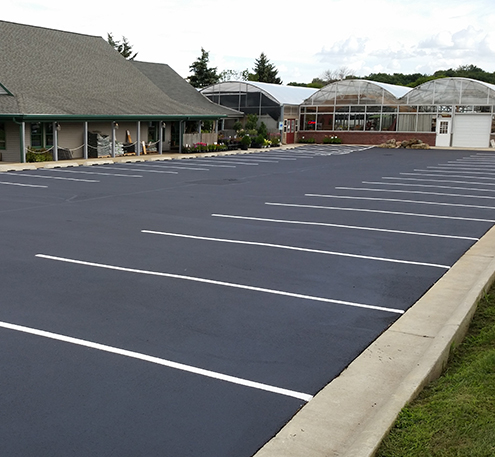
Sealcoating is your property’s sunscreen. It provides a sacrificial layer that takes the hit from UV rays and oil spills so your asphalt doesn't have to. For commercial lots, we recommend sealcoating every 2-3 years depending on traffic volume.
4. Professional Striping
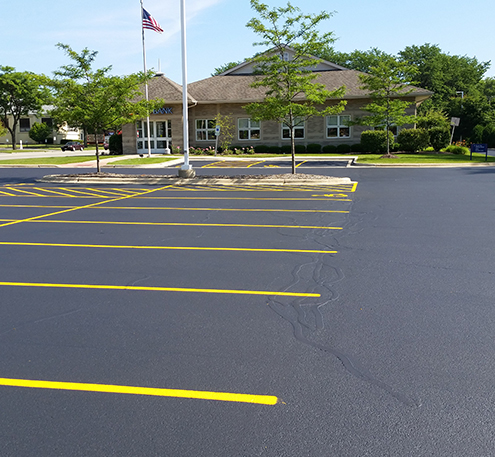
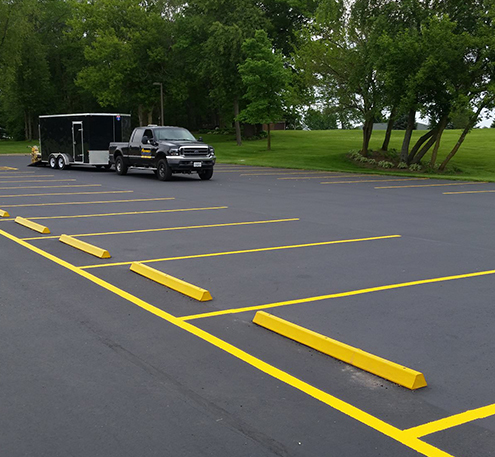
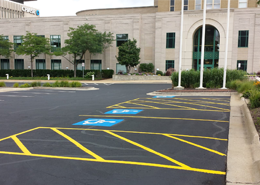
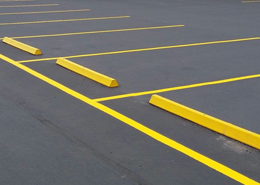
Safety and compliance aren't optional. Clear markings ensure proper traffic flow and keep you in the good graces of the ADA. If your stripes are fading, your liability is increasing. You can learn more about our commercial parking lot striping services here.
Budget Planning: The 8-Cent Rule
Property managers often struggle with how much to set aside for pavement. Stop guessing.
For the first 8-10 years of a lot's life, allocate 8 cents per square foot annually for maintenance. Once the pavement crosses the decade mark, bump that budget to 12-20 cents per square foot.
If you have a massive footprint, don’t try to do everything at once. We often work with managers to phase repairs over two years. This spreads the financial hit and keeps 50-70% of your lot operational at all times, minimizing tenant complaints.
Mastering the Project Workflow
A successful asphalt project is 20% labor and 80% logistics. If you don't communicate, you'll end up with angry tenants and towed cars. Follow this checklist for a seamless project:
- Annual Inspections: Walk your lot every spring. Look for standing water, fuel spills, and new cracks.
- Tenant Notification: Give a minimum of 48-72 hours' notice. Be specific about which sections of the lot will be closed and when they will reopen.
- Phasing: Ensure your contractor provides a clear map of Phase 1 and Phase 2. You should never close your entire lot at once unless it’s a weekend-only project.
- Clear Signage: Require your contractor to use professional cones and tape. Ambiguity leads to people driving over wet sealer.
- Post-Job Review: Request a final walkthrough and photos of the completed work for your records.
How to Spot a Quality Paving Contractor
The lowest bid is often the most expensive one in the long run. High-quality asphalt paving requires specialized equipment and a crew that doesn't cut corners on the base layer.
When vetting a partner, look for:
- A Proven Track Record: Check their testimonials and ask for local references.
- Specialized Equipment: Ensure they use professional-grade hot-mix asphalt and high-pressure sealcoating rigs.
- Communication Style: If they aren't answering your questions during the bidding process, they won't answer them when your lot is half-torn up.

Strategic Insights for Property Managers
As you plan your next move, keep these tactical tips in mind:
- Address Drainage Early: Asphalt doesn't fail from the top down; it fails from the bottom up. If you have standing water, no amount of sealcoating will fix the underlying issue. Fix the grade or install a catch basin before you pave.
- Don't Ignore the "Small" Stuff: A single pothole in an entranceway can turn away customers or cause a trip-and-fall claim. Tackle asphalt patching needs as soon as they appear.
- Schedule Smart: Sealcoating requires temperatures to be at least 50 degrees and rising. Don't let a contractor talk you into a late-fall job that is destined to flake off by February.

Bottom Line: Protect Your Investment
Your pavement is the first thing people see when they arrive at your property. It’s a reflection of your management style and the quality of the tenants inside. By moving from a reactive "fix it when it breaks" mindset to a proactive maintenance schedule, you'll save tens of thousands of dollars over the life of your property.
At Advanced Pavement and Property, we specialize in helping managers navigate these complexities. Whether you need a simple parking lot sealcoating or a complete overhaul, we're here to ensure your project is completed on time, on budget, and without the headaches.
Ready to get started? Let’s walk your lot and build a plan that works for your budget and your schedule.