

Spring Readiness: The Essential Post-Winter Pavement Audit
Winter is officially moving out, and while you might be ready for warmer weather, your pavement is likely reeling from a season of abuse. The bottom line is simple: the freeze-thaw cycle is the single greatest threat to your property’s asphalt and concrete, and ignoring the damage now will lead to exponential repair costs by mid-summer.
A post-winter pavement audit isn’t just a "good idea", it is a critical fiscal strategy. As the last of the snow melts, Advanced Pavement and Property recommends a systematic walk-through to identify hidden vulnerabilities before they become structural failures or liability nightmares.
The Science of Destruction: Why Winter Wins
To understand why an audit is necessary, you have to understand what happened under the surface while it was buried in snow. Asphalt is porous. During the winter, water from melting snow seeps into small cracks and pores. When the temperature drops, that water freezes and expands by approximately 9%.
This expansion exerts massive internal pressure on the pavement, widening cracks and weakening the subgrade. When the ice melts (the "thaw"), it leaves behind a void. The next time a heavy vehicle drives over that void, the surface collapses. That is how a tiny hairline crack becomes a tire-swallowing pothole in a matter of weeks.
Phase 1: The Visual Sweep and Deep Clean
You cannot assess what you cannot see. Your first tactical move is a thorough cleaning of the entire surface. Winter leaves behind a cocktail of salt, sand, gravel, and organic debris that acts like a shroud over damage.
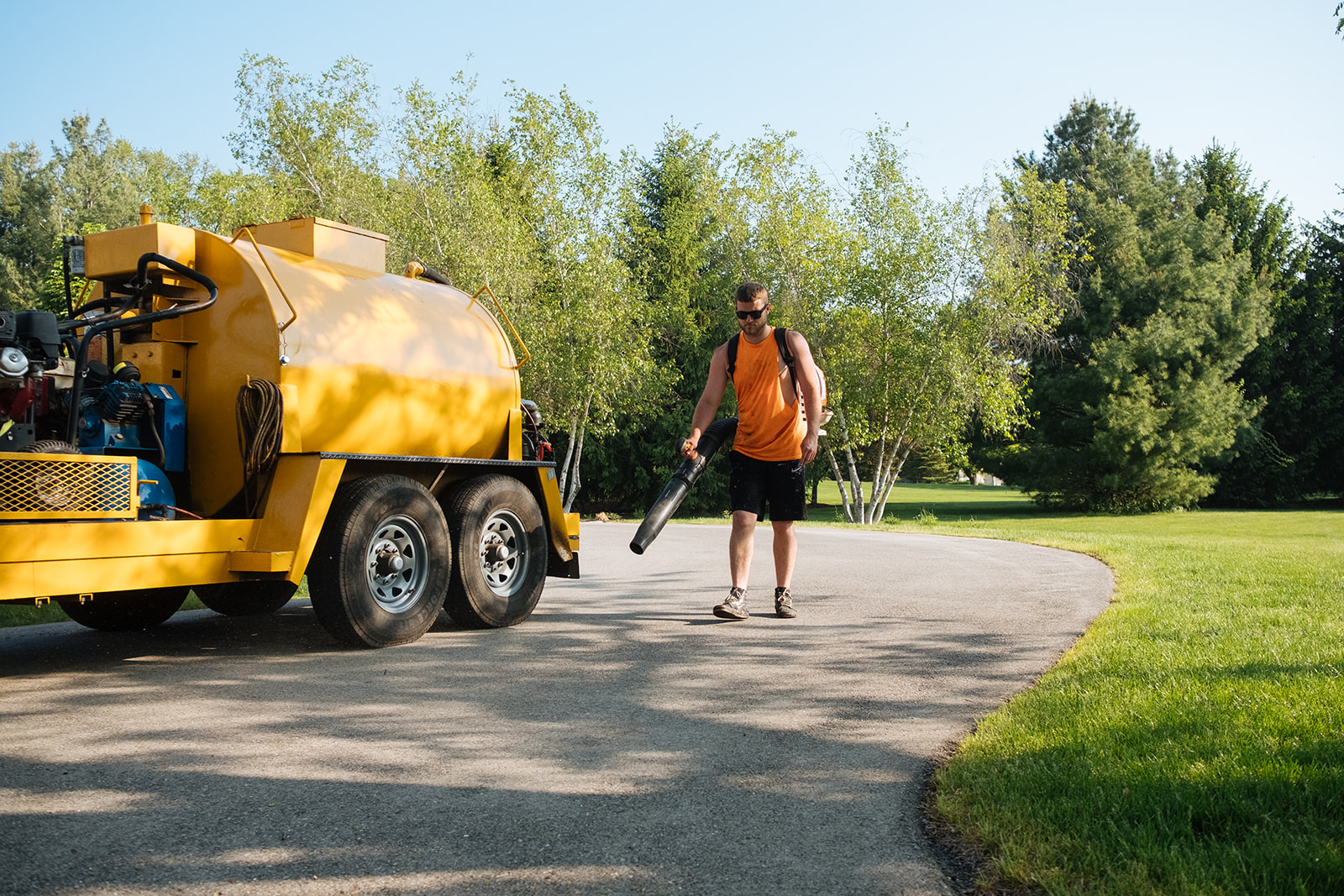
- Clear the Debris: Use heavy-duty brooms or industrial leaf blowers to clear the surface.
- Assess Drainage: Look for "birdbaths" or standing water. If water isn't moving toward your catch basins, you have a grading or drainage blockage issue.
- Scrub the Stains: Oil and gas spills are more common in winter due to idling vehicles and snowplow leaks. These fluids act as solvents, eating through the asphalt binder.
Phase 2: Identifying the "Red Zone" Damage
Once the surface is clean, walk the property with a critical eye. You are looking for specific indicators of structural distress.
1. The Gateway Cracks
Cracks are the first sign of a failing pavement system.
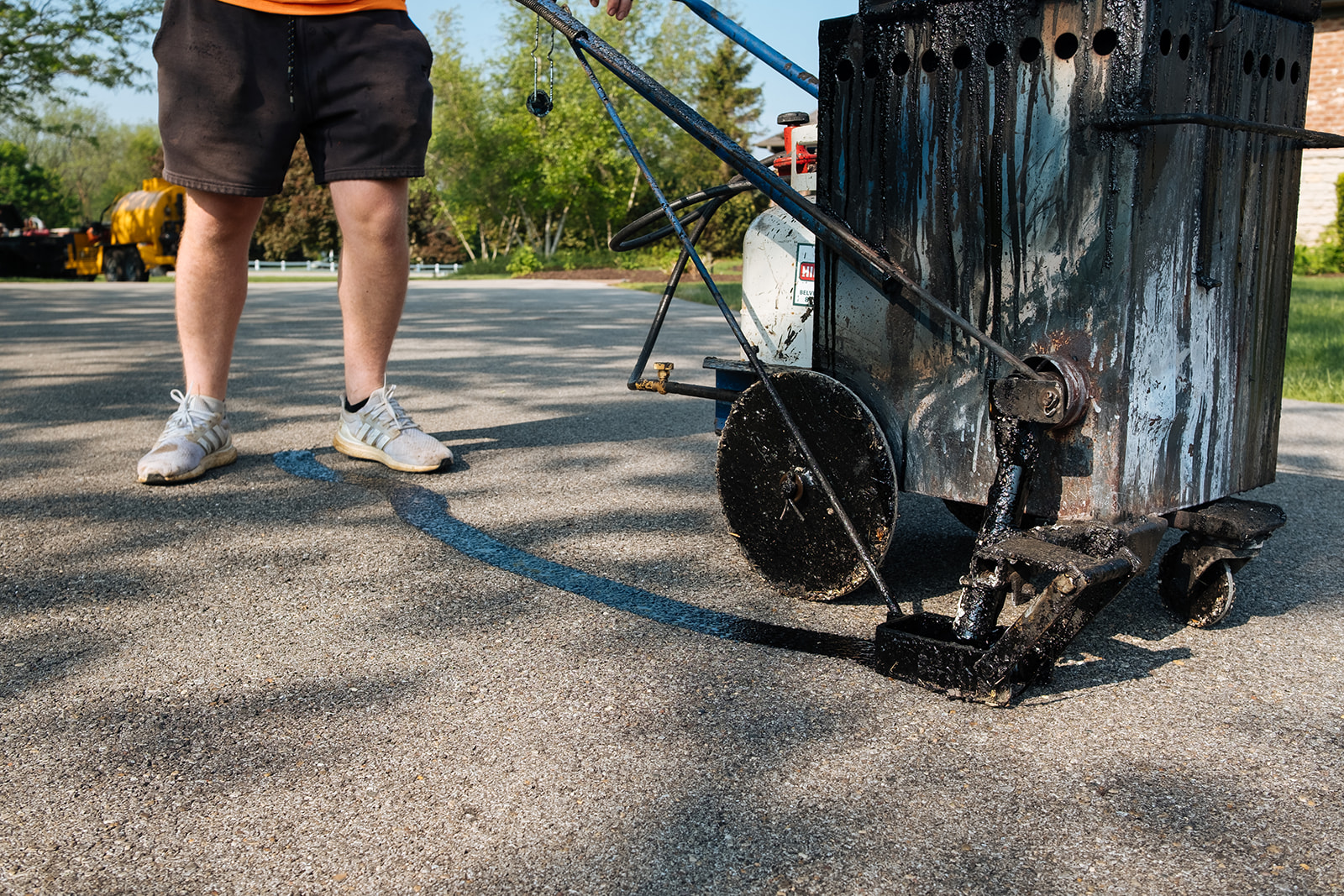
- Hairline Cracks: Often ignored, but these are the most cost-effective to fix. Sealing them now prevents water infiltration.
- Alligator Cracking: If you see a pattern that looks like reptile skin, your subgrade has failed. This area requires more than a simple seal; it needs asphalt patching.
- Edge Cracks: Check the perimeter. Cracks along the edges usually point to poor drainage or a lack of shoulder support.
2. Potholes and Depressions
Potholes are more than an eyesore; they are a direct liability. Run your hand (or a level) over suspicious areas. Darker, irregular depressions usually mean a pothole is forming underneath. Addressing these immediately with saw-cut patching or infrared repair is the only way to restore the integrity of the lot.
3. Concrete Displacement
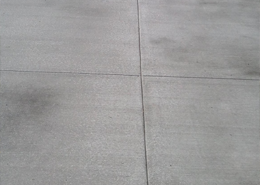
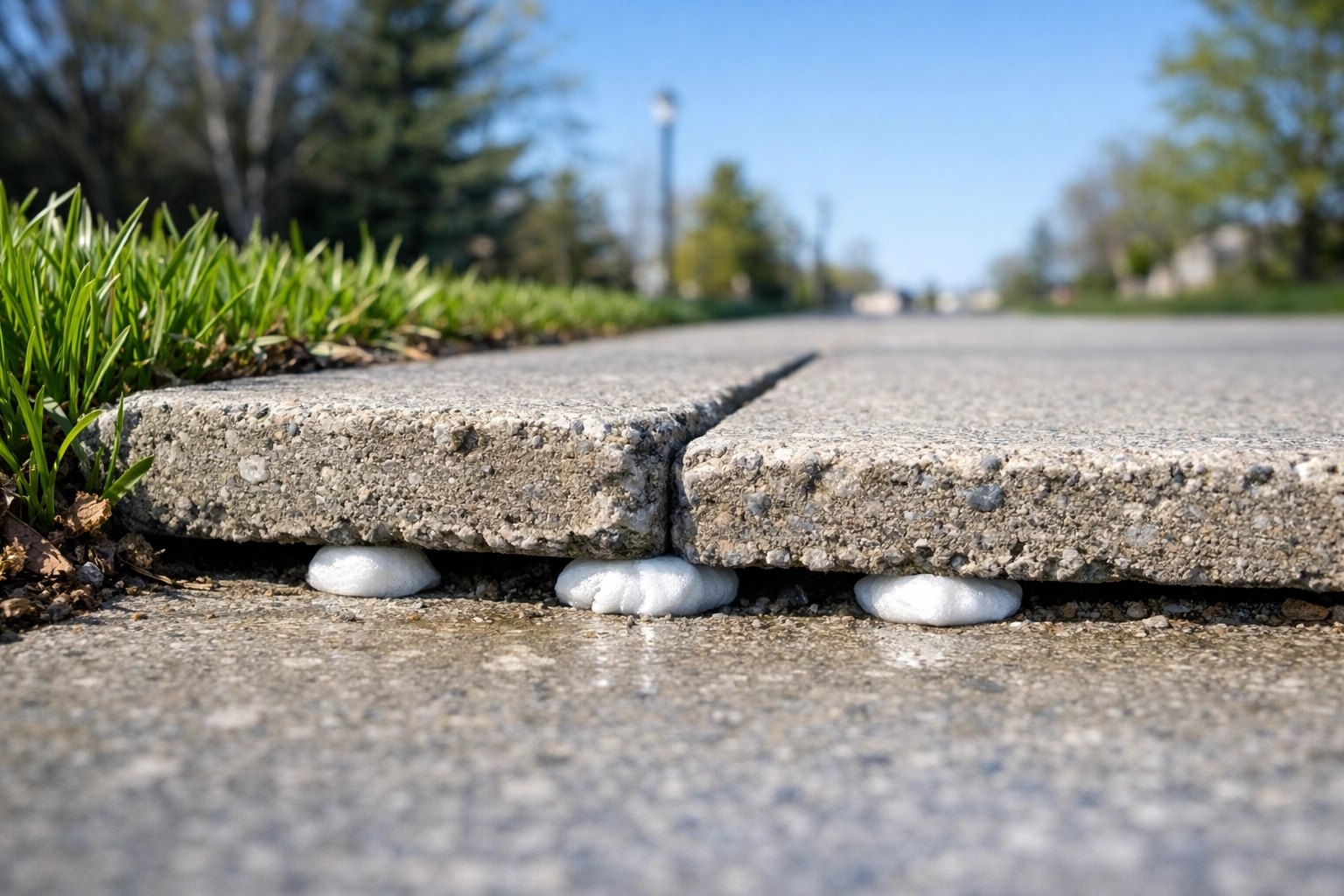
Concrete doesn't "self-heal." If your sidewalks or curbing have shifted, you have a tripping hazard. Look for "lipped" edges where one slab has settled lower than the adjacent one. This is often caused by soil erosion from snowmelt or improper compaction. Concrete lifting is the strategic solution here, saving you from the massive expense of a full tear-out and replace.
Phase 3: The Drainage Audit
Water is the enemy of pavement. If your drainage system isn't functioning perfectly, your repair work won't last.
- Catch Basins: Check for "sinkholes" around the metal grates of your catch basins. This often indicates the interior bricks or mortar have failed, allowing soil to wash into the sewer line.
- Downspouts: Ensure all building downspouts are directing water at least five feet away from pavement edges.
- Gutters: Clear out the winter buildup of grit and leaves so they don't overflow and saturate the pavement subgrade.
Strategic Solutions: Patching, Lifting, and Sealing
Once you’ve documented the damage, you need an execution plan. At Advanced Pavement and Property, we focus on three primary interventions to maximize the lifespan of your assets.
Professional Asphalt Patching
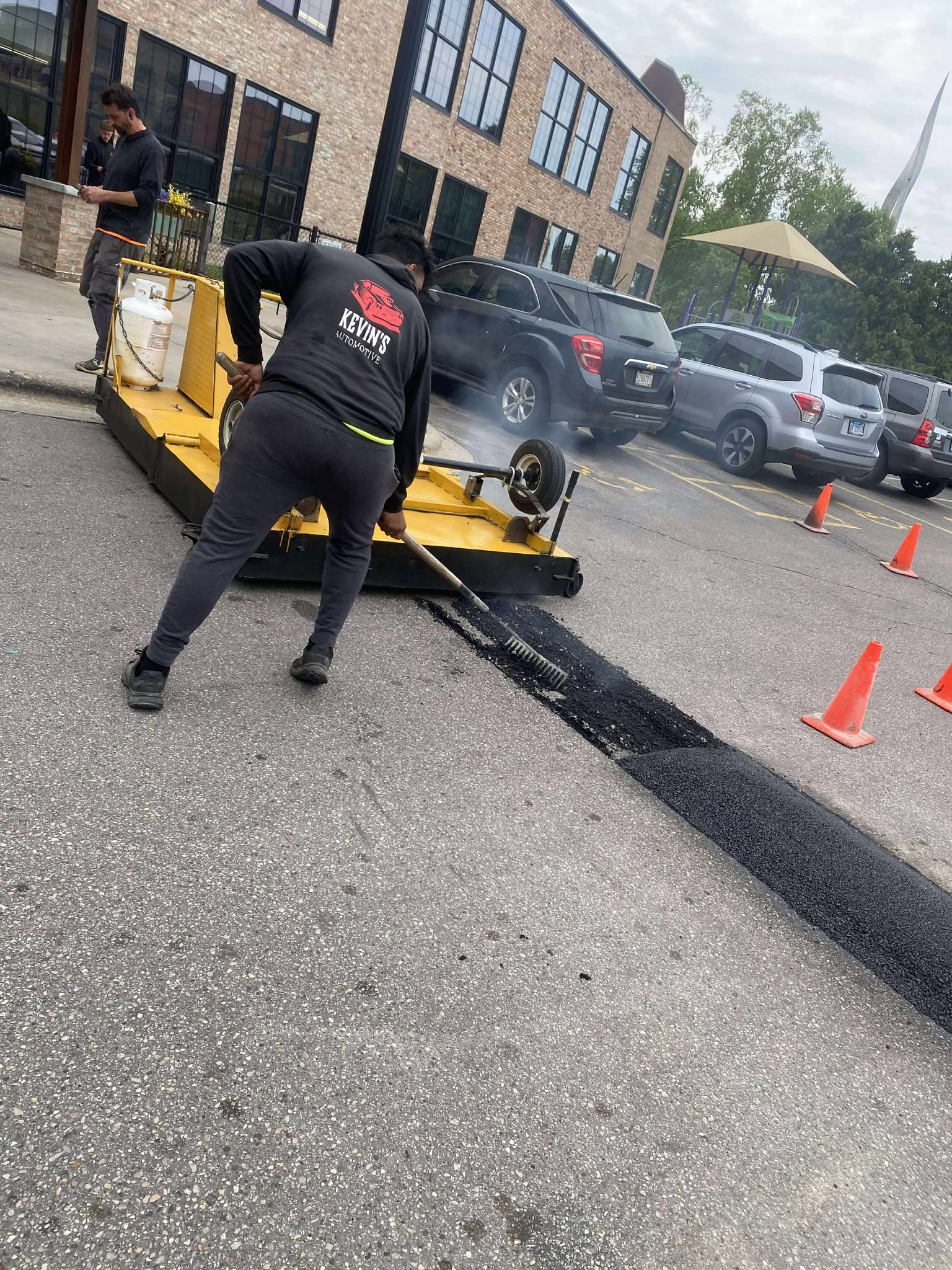
Not all patches are created equal. For deep structural damage, we utilize Saw-Cut Patching. We cut out the damaged section, remove the compromised base, and replace it with fresh, compacted hot-mix asphalt. For surface-level repairs or "seam" issues, Infrared Patching is a high-tech alternative that thermally bonds the new asphalt to the old, creating a seamless, water-resistant joint.
Concrete Lifting and Stabilization
Don't let a sinking slab force a total replacement. We specialize in concrete lifting, using advanced techniques to inject stabilizing material beneath the slab. This "slabjacking" process levels the surface instantly, eliminates trip hazards, and reinforces the subgrade against future freeze-thaw cycles. It's faster, cleaner, and significantly cheaper than pouring new concrete.
Sealcoating: The Ultimate Shield
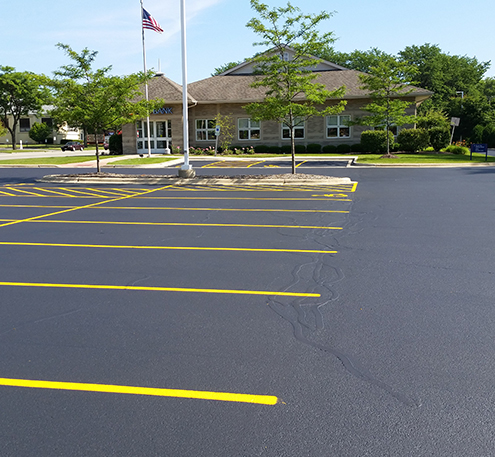
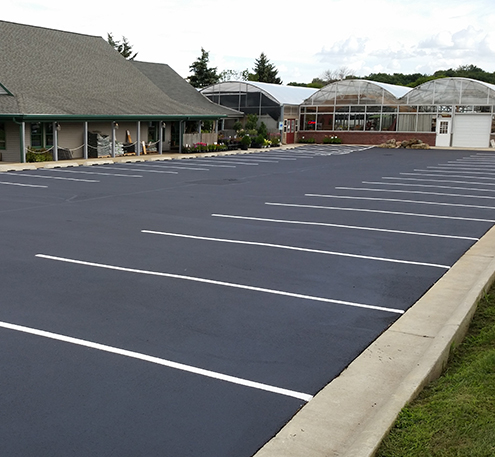
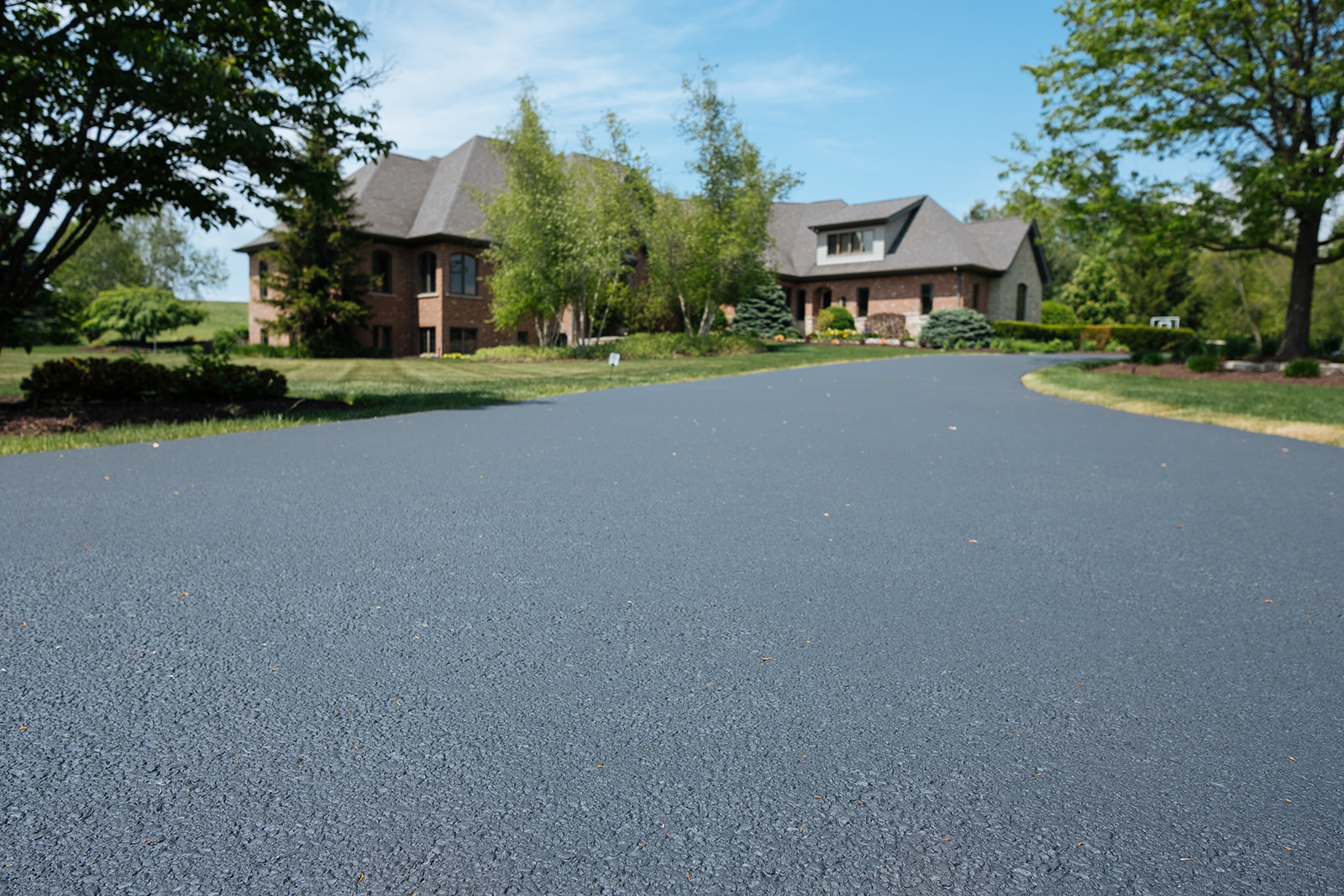
Think of sealcoating as a sunblock and waterproof membrane for your asphalt. It replaces the oils lost to oxidation and prevents water from penetrating the surface. If your lot looks gray and brittle, it is past due for a coat. Spring is the ideal time for this application because the moderate temperatures allow the sealer to cure properly, creating a durable barrier for the upcoming heat of summer.
ADA Compliance and Liability
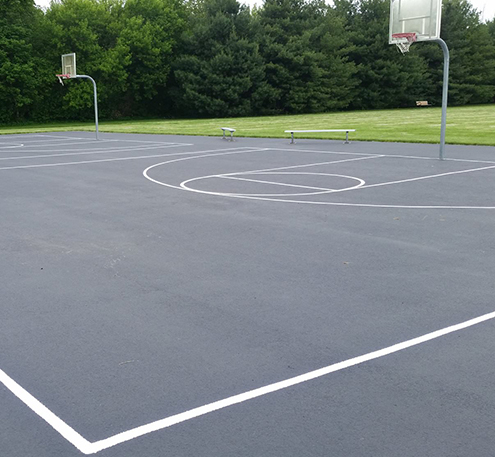
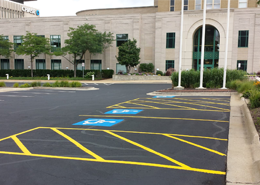
Your post-winter audit must include a check of your markings. Snowplows and salt are incredibly abrasive, often stripping away parking lot lines and handicap symbols.
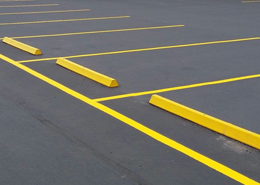
- Visibility: Faded lines lead to chaotic parking and accidents.
- Compliance: If your ADA-compliant stalls aren't clearly marked, you are at risk for significant fines and legal action.
Refreshing your striping is the final touch of a professional spring audit.
Documentation: Building Your Repair Roadmap
Do not rely on memory. As you perform your audit, take high-resolution photos and note the exact dimensions of damaged areas. This documentation allows you to:
- Prioritize Repairs: Focus on high-traffic areas and safety hazards first.
- Budget Accurately: Get precise quotes rather than "guesstimates."
- Track Deterioration: See how much damage progresses year-over-year to plan for eventual commercial asphalt paving.
Why Now?
The window of opportunity for spring repairs is narrow. As the ground stabilizes, contractors' schedules fill up fast. By conducting your audit in March and April, you ensure that repairs are completed before the heavy traffic of the summer season and before the next round of heavy spring rains can turn small cracks into major washouts.
Advanced Pavement and Property is here to help you navigate this transition. Whether it's a residential driveway or a massive commercial complex, our team has the specialized equipment and expertise to execute your spring readiness plan with precision.
Don't wait for a tenant complaint or a vehicle damage claim. Take a walk around your property today. If you see cracks, sinking concrete, or fading sealer, it’s time to act.
Ready to get your pavement back in peak condition? Contact us today for a professional assessment. We’ll help you turn that audit into an action plan that protects your property and your bottom line.